How to Soothe an Overactive Nervous System in Encinitas
Understanding the fight-or-flight response
When your nervous system shifts into high gear, your body prepares to face a threat. Your heart beats faster, your breathing quickens, and your muscles tense. This is the fight-or-flight response at work. It is a normal survival reaction designed to keep you safe in a dangerous moment. But when this response stays switched on for long periods, it can leave you feeling drained, anxious, and on edge. An overactive nervous system can make everyday situations feel overwhelming, and it often contributes to panic attacks and chronic stress.
The good news is that there are practical ways to calm your nervous system without medication. These methods focus on helping your body return to a state of rest and recovery. They work with your brain's natural ability to regulate itself, a process known as self-regulation. Over time, practicing these techniques can build emotional resilience and reduce the intensity of your stress response.
Step 1: Use slow, deep breathing to signal safety
The fastest way to tell your nervous system that you are safe is through your breath. When you breathe shallowly and quickly, your body assumes you are in danger. Slow, deep breathing does the opposite. It activates the vagus nerve, which helps lower your heart rate and shifts your system out of fight-or-flight mode.
Try this: inhale gently through your nose for a count of four, hold for a count of four, then exhale through your mouth for a count of six. The longer exhale is the key. It signals your body to relax. Repeat this cycle for a minute or two, and notice how the tension in your shoulders and jaw begins to soften. You can do this anywhere, at any time, without any equipment.
Step 2: Ground yourself in the present moment
An overactive nervous system often pulls your mind into future worries or past regrets. Grounding exercises bring your attention back to the here and now. One simple method is the 5-4-3-2-1 technique. Look around and name five things you can see, four things you can touch, three things you can hear, two things you can smell, and one thing you can taste. This forces your brain to focus on sensory input rather than anxious thoughts.
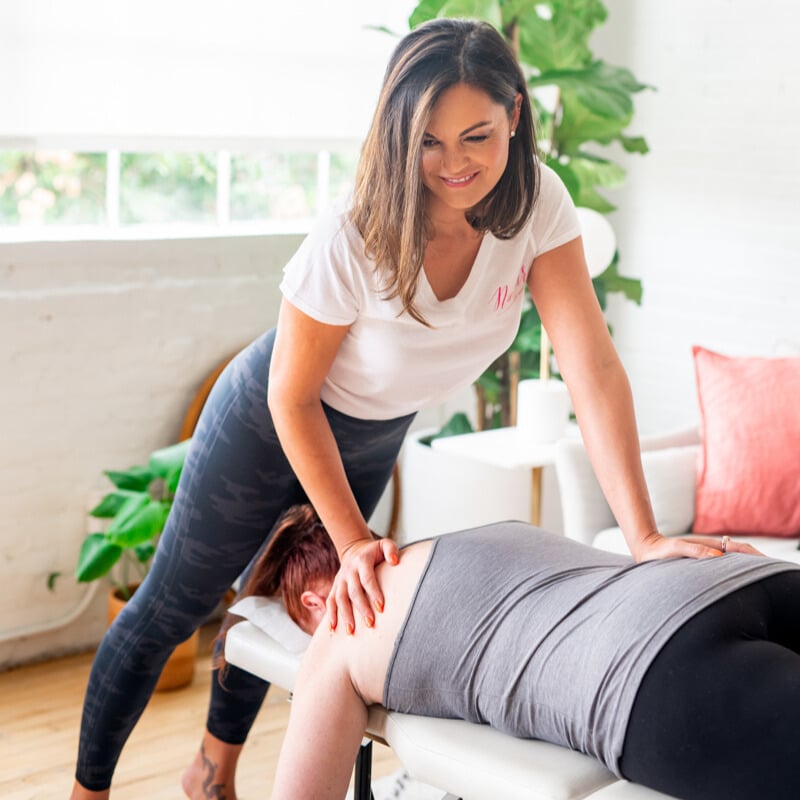
You can also try pressing your feet firmly into the floor and noticing the sensation of the ground beneath you. Pay attention to the texture of your clothing or the temperature of the air on your skin. These small acts of awareness help your nervous system register that the immediate environment is safe, which can quiet the panic response.
Step 3: Move your body to release built-up tension
When the fight-or-flight response is active, your body releases stress hormones like cortisol and adrenaline. Physical activity helps metabolize these chemicals and reduces their lingering effects. You do not need an intense workout. A gentle walk, a few stretches, or even slow, deliberate movements like tai chi can make a difference.
The goal is not to exhaust yourself but to signal to your body that the threat has passed. Pay attention to how your muscles feel as you move. If you notice tightness in your neck or back, stretch those areas gently. Movement also encourages the release of endorphins, which are natural mood lifters. Over time, regular physical activity helps regulate your baseline stress levels, making it easier to bounce back from daily challenges.
Step 4: Create a calming bedtime routine
Sleep is essential for nervous system recovery. But when your system is overactive, falling asleep can feel impossible. The key is to help your brain transition from alertness to restfulness. Start winding down at least an hour before you plan to sleep. Dim the lights, put away screens, and do something quiet, like reading a physical book or listening to soft music.
Avoid caffeine and heavy meals late in the evening. Instead, try a warm bath or a cup of herbal tea. The drop in body temperature after a bath can promote drowsiness. Consistency matters too. Going to bed around the same time each night helps regulate your internal clock, which in turn supports a balanced stress response.
Step 5: Practice brainwave training with neurofeedback
Neurofeedback is a non-invasive technique that trains your brain to produce calmer, more balanced brainwave patterns. During a session, sensors on your scalp detect your brain's electrical activity, and you receive real-time feedback, often in the form of a visual or audio cue. Over time, your brain learns to shift away from the high-alert patterns associated with anxiety and toward a more relaxed state.

This approach is especially helpful for people who struggle with chronic stress or panic attacks. It does not require medication, and it builds long-term skills for self-regulation. The sessions are gentle and can be done in a clinic or at home with a remote program. Many people find that after several sessions, their nervous system becomes more resilient to everyday stressors.
For residents of North County San Diego, InnerOptimal offers personalized neurofeedback training tailored to anxiety, ADHD, sleep issues, mood concerns, and cognitive performance. Their approach uses FDA-cleared technology and can be done in person at their Encinitas center or through a home-based program. A complimentary introductory session is available for those who want to learn more.
Step 6: Limit stimulating inputs before they trigger you
Your nervous system is constantly processing information from your environment. Bright lights, loud noises, and fast-moving visuals can keep it on high alert. To help your system settle, reduce your exposure to these inputs during times of stress. Turn off the television news, put your phone on silent, and choose a calm, uncluttered space to relax.
You can also experiment with background sounds that promote calm, such as nature recordings or white noise. The goal is to create an environment that gives your brain a break from constant stimulation. Over time, this practice can lower your overall stress load and make it easier for your nervous system to return to a balanced state after a stressful event.
InnerOptimal is also on Instagram.
Step 7: Build a daily practice of self-check-ins
Calming an overactive nervous system is not a one-time fix. It is a skill that improves with regular practice. Set aside a few minutes each day to check in with yourself. Notice how your body feels. Are your shoulders tight? Is your jaw clenched? Is your breathing shallow? Simply observing these signs without judgment can help you catch an overactive state early, before it escalates into a full panic response.

Over weeks and months, these small moments of awareness train your brain to regulate itself more efficiently. You become better at recognizing the early signals of a stress response and responding with a calming technique before the reaction takes over. This is the essence of building emotional resilience.
If you want to explore a structured approach to training your brain for calm, consider talking with a professional who offers neurofeedback for anxiety. They can help you understand your unique brainwave patterns and guide you through a program designed to support your nervous system. For those in the Encinitas area, InnerOptimal can be reached at 2210 Encinitas Blvd # L, Encinitas, CA 92024, USA, phone +1 760-633-3328.